Cruising Cost Control
What IS & Is NOT Included In Your Cruise Fare
by Linda Coffman
 |
|
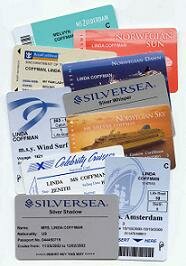
Boarding pass, room key... ultimately, it's a "Sail 'n Spend" card
|
Low, low fares... The kind currently offered by cruise lines and travel agencies have brought cruise vacations within the realm of reality to many people who only fantasized about them in the past. However, those same rock-bottom fares can cause consternation to passengers on a tight budget. Increasingly, cruise lines have devised creative ways to entice passengers to spend additional money once on board the ships of their dreams.
While a cruise is nearly all-inclusive, with accommodations, dining, entertainment, and taxes covered in the ticket price, there are add-on expenses to consider. Air fare, tips, shore excursions, travel insurance, passports, visas, and even bottled water can increase the bottom line. To get the true picture of what you can expect to budget for your floating fantasy, you should factor in those extras.
Passengers are required to either produce a credit card or cash deposit against expenses at the beginning of their cruise. At voyage end, an itemized bill is provided. In order to avoid surprises, it's a good idea to hang on to your charge slips and request an interim printout of your bill from the Purser to insure accuracy. Most onboard expenditures are charged to your shipboard account, with the exception of casino gaming—even so, you can often get "cash advances" against your account from the casino cashier.
Items not covered in the basic cruise fare can include:
- Air fare
- Beverages (bottled water, soft drinks, alcoholic drinks)
- Casino Gaming & Bingo
- Photographs
- Alternative Restaurants
- Specialty Ice Cream & Coffees
- Gratuities
- Internet Access
- Laundry, Pressing & Dry Cleaning
- Medical Treatment
- Shopping
- Shore Excursions
- Spas, Salons, Personal Trainers & Specialized Exercise Classes
- Certain Sports Activities
- Gaming (casino, Bingo, video games)
Other necessities of a personal nature can add up as well. Before leaving home, consider the cost of passports, visas (for certain countries), and travel insurance (an option, but highly recommended).
Those expenses aside, the majority of on board "extras" are strictly discretionary. You can choose whether to purchase alcoholic beverages or cappuccino, for instance. And no one will blink an eye if you shy away from the casino or spa. While the extras greatly enhance the overall experience of a cruise, they can quickly add up and exceed the initial fare if you aren't careful.
Cruise passengers are caught in something of a "Catch-22"—either pay a higher fare up front or pay for non-included items later. By determining your priorities in advance, you may find that a truly all-inclusive luxury cruise can be comparable in total cost to a mainstream or premium level cruise, depending on the category booked and your personal spending habits.
It certainly is possible to not go overboard with extras, but one area to not skimp on is gratuities. Read the fine print in your chosen cruise line's brochure and you should face no spending bombshells once you are on board.